The Next Billion
Fellowship
A Fellow was a leader committed to their own project that helped Ethereum become a tool of and for the next billion users. Their project might be a decentralized app, a piece of research, an organizational initiative, or something else entirely. There were no strict requirements for Next Billion Fellowship projects, save one: earnesty.
Whatever the project, whoever the Fellow, the program sought to enable the flourishing of populations, communities, and individuals under-represented in the Ethereum ecosystem. The Fellowship was neither the beginning nor the end of a Fellow's journey, but it provided the support needed to encourage more ambitious, long-term goals and mindset.
The program ran from 2021 to 2025 across five cohorts. The fellows and their projects are collected below.
Fellow Stories
Digital Identity Infrastructure
By Mashbean · Taiwan
Published: September 7, 2026
If digital identity becomes a centralized surveillance portal, digitization risks turning people into objects of real-time management, and civil rights can be redefined at the interface.
digital identity
civic infrastructure
asia-east
2025-cohort-5
Blockchain Impact Framework for UN Development
By Teodor · Croatia
Published: January 26, 2026
How do we create systems where trust is distributed, not concentrated? Where communities see the results of their engagement? Where power isn't hidden in black boxes?
impact
international development
UN
governance
2025-cohort-5
Climate Finance for Local Conservation
By Sharfy · Indonesia
Published: September 7, 2026
Proving your work should be as easy as posting on social media. Take the photo, write the note, publish. Billions of people already know how to do this.
climate
conservation
finance
hypercerts
2025-cohort-5
Proof of Impact: Social Activation
By Robert · United Kingdom
Published: March 10, 2026
More images don't mean more truth. Without verifiable provenance and processing, institutions default to waiting — exactly when victims need speed.
satellite
ai
emergency-response
zero-knowledge
trusted-execution
climate
2025-cohort-5
1
2
3
Fellows, past and present
Mashbean
Taiwan
Digital Identity Infrastructure
digital identity
civic infrastructure
asia-east
2025-cohort-5
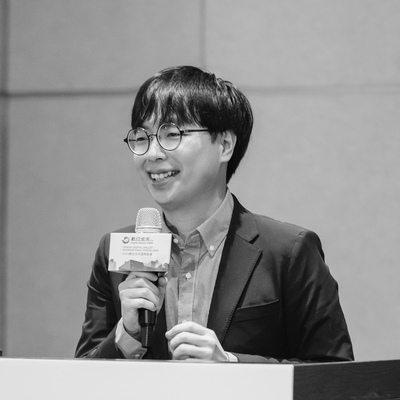
Mashbean researched robust digital identity in Taiwan, with a focus on resilience and decentralized infrastructure.
Teodor
Croatia
Blockchain Impact Framework for UN Development
impact
international development
UN
governance
2025-cohort-5
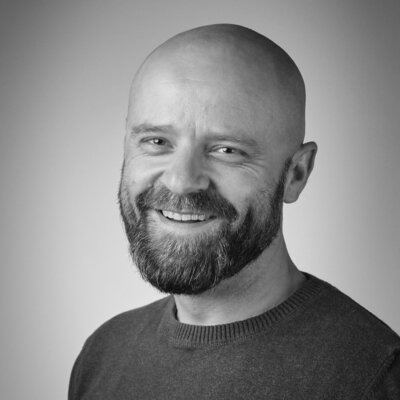
Teodor Petricevic leads blockchain initiatives at the UN Development Programme. For his fellowship he mapped Ethereum-based projects within the UN ecosystem and developed an impact management framework.

Sharfy
Indonesia
Climate Finance for Local Conservation
climate
conservation
finance
hypercerts
2025-cohort-5
Sharfy Adamantine enables environmental stewardship by connecting climate finance directly to local conservation efforts and data at Gainforest, improving compatibility and functionality of the Hypercerts standard.
Robert
United Kingdom
Proof of Impact: Social Activation
satellite
ai
emergency-response
zero-knowledge
trusted-execution
climate
2025-cohort-5
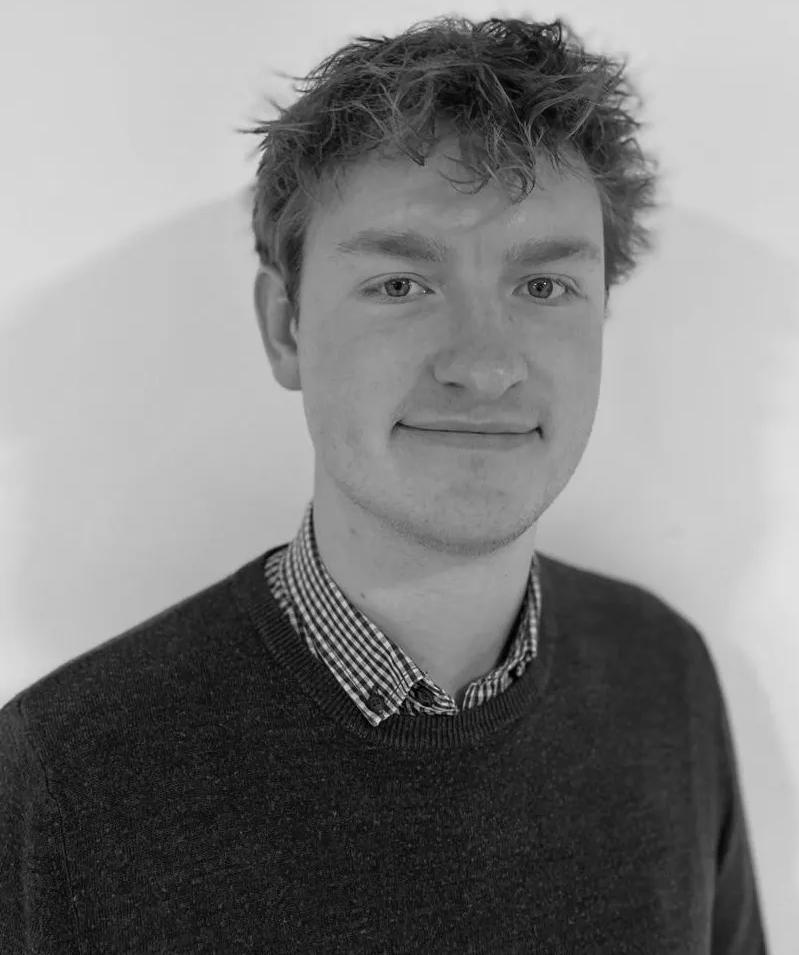
Robert Cowlishaw is an aerospace engineer researching zero-knowledge proofs, trusted execution, and satellite imagery for automatic and verifiable emergency response systems.
Tomislav
Croatia
Municipal Quadratic Funding
europe
2024-cohort-4
funding
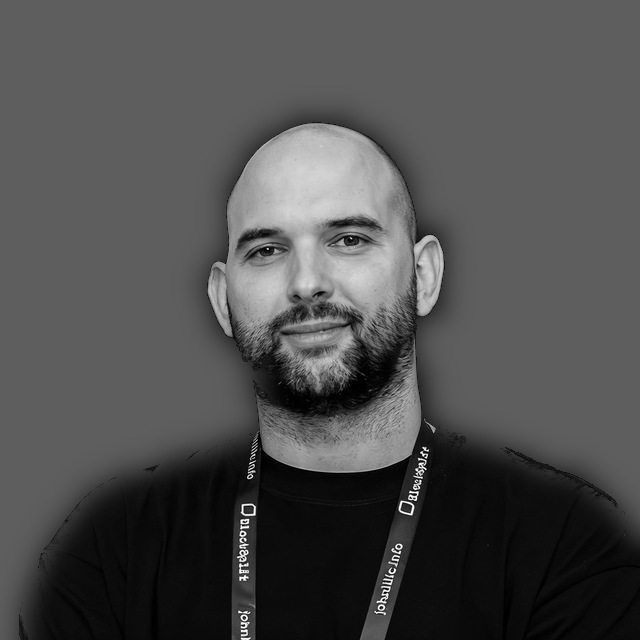
MUQA - Municipal Quadratic Funding Initiative
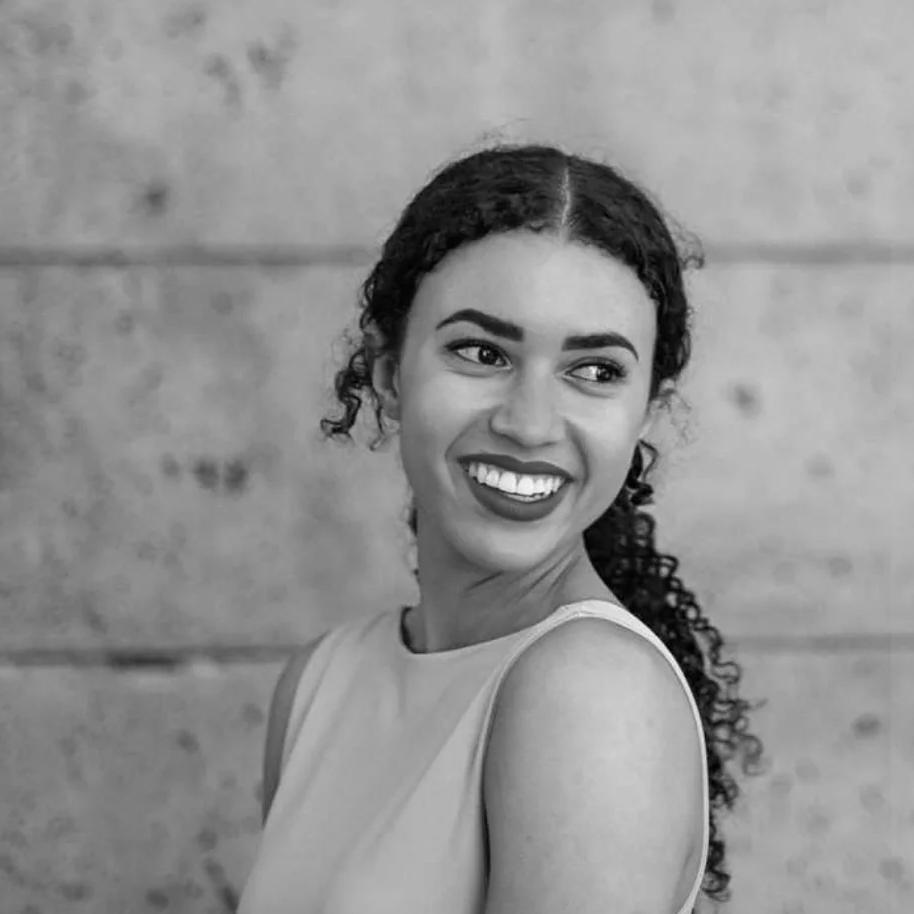
Rebecca
South Africa
Commitment pooling and community currencies
community
informal-finance
local
2024-cohort-4
africa-southern
Commitment pooling, local currency, and indigenous mutual aid practices.
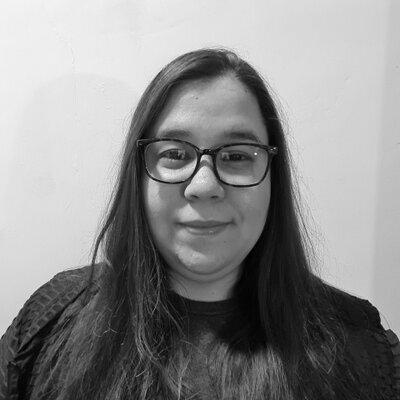
Mercedes
Venezuela
Activism, Human Rights and Web3 in Venezuela
2024-cohort-4
america-latin
research
human-rights
NGO
Mercedes' research focuses on understanding the impact of crypto in Venezuela through the lenses of human experiences and how this can help us creare Web3 solutions to strengthen civil organizations in Venezuela
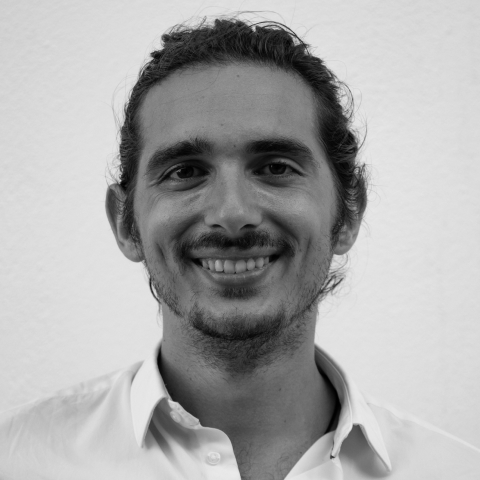
Lefteris
Greece
Fishing for the Commons
2024-cohort-4
europe
climate
circular-economy
Lefteris focused on reducing marine plastic pollution by engaging with fishers in Greece and the Mediterranean and adopting cleaning and sustainability practices.
1
2
3
4
Frequent asked questions
What kinds of projects qualified?
A Fellow needed a project that was mutually cooperative with the Ethereum ecosystem. It didn't have to directly integrate with Ethereum to qualify, but it needed to be on-balance 'good' for the ecosystem and the future Ethereum community.
Proposals that had not yet begun were considered, but rarely selected. The fellowship was not meant to sit at the beginning or the end of a journey.
Projects ranged from software to research to organizational programs and initiatives. Whatever the shape, the project had to enable the flourishing of regions, populations, or communities underrepresented in the Ethereum ecosystem.
What support did the Next Billion Fellowship offer?
In a word: Bespoke.
Different people needed different things, and the Foundation was able to offer some things better than others. Fellows who needed technical or design support, for example, could ask for mentorship or guidance from a domain expert. Stipends helped fellows carve out time from a busy schedule, and in rare cases grants were considered. Business plans, pitch decks, and cap tables can tell a gripping story, but the fellowship was not an incubator or accelerator, and was never a means to secure investment.
What was expected from a Next Billion Fellow?
Fellows were independent, passionate, and deliberate. Six months was not enough time to accomplish anything huge, but it was enough time to figure out how to tell a good story.